Ask ten seasoned gamblers why they win and you will get ten different answers, most of them wrong. The truth is that the gulf between a player who grinds out small, consistent profits and one who torches their bankroll in a weekend rarely comes down to luck. It comes down to understanding what the games actually are, what the house edge really does to your money over time, and where your own behavior either sharpens or sabotages every decision. Let's pull back the curtain on the mechanics that most players never bother to learn.
Every Casino Game Is a Math Problem Wearing a Costume
Slots, roulette, blackjack, baccarat, poker, sports betting — they look wildly different on screen, but underneath they are all probability engines. The critical number is the house edge: the mathematical slice the operator keeps on every dollar wagered over the long run. It looks small on paper. It is devastating in practice.
- Blackjack (basic strategy): roughly 0.5% house edge
- Baccarat (banker bet): about 1.06%
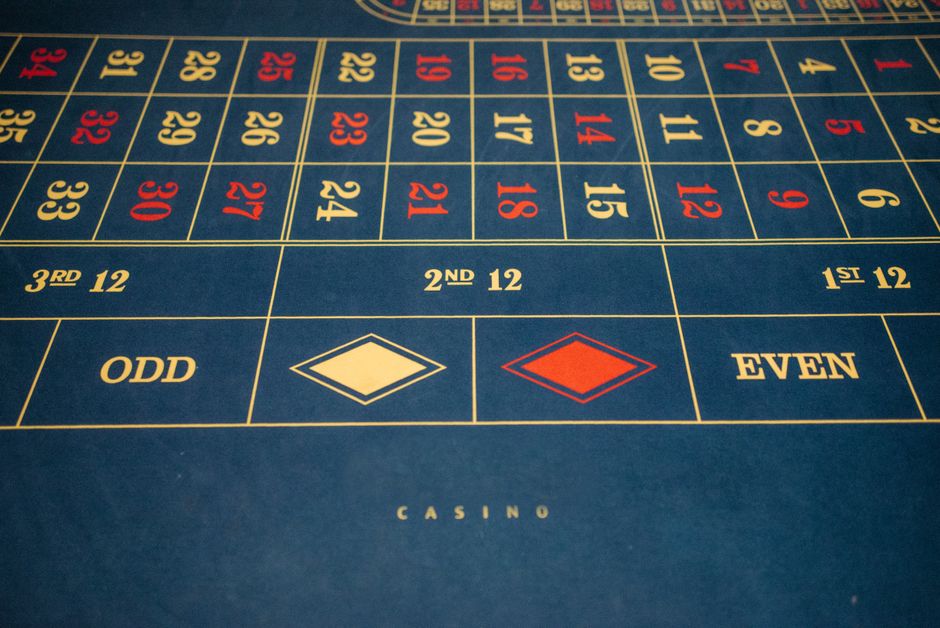
- European roulette: 2.7%
- American roulette: 5.26% — the double zero is a tax on the impatient
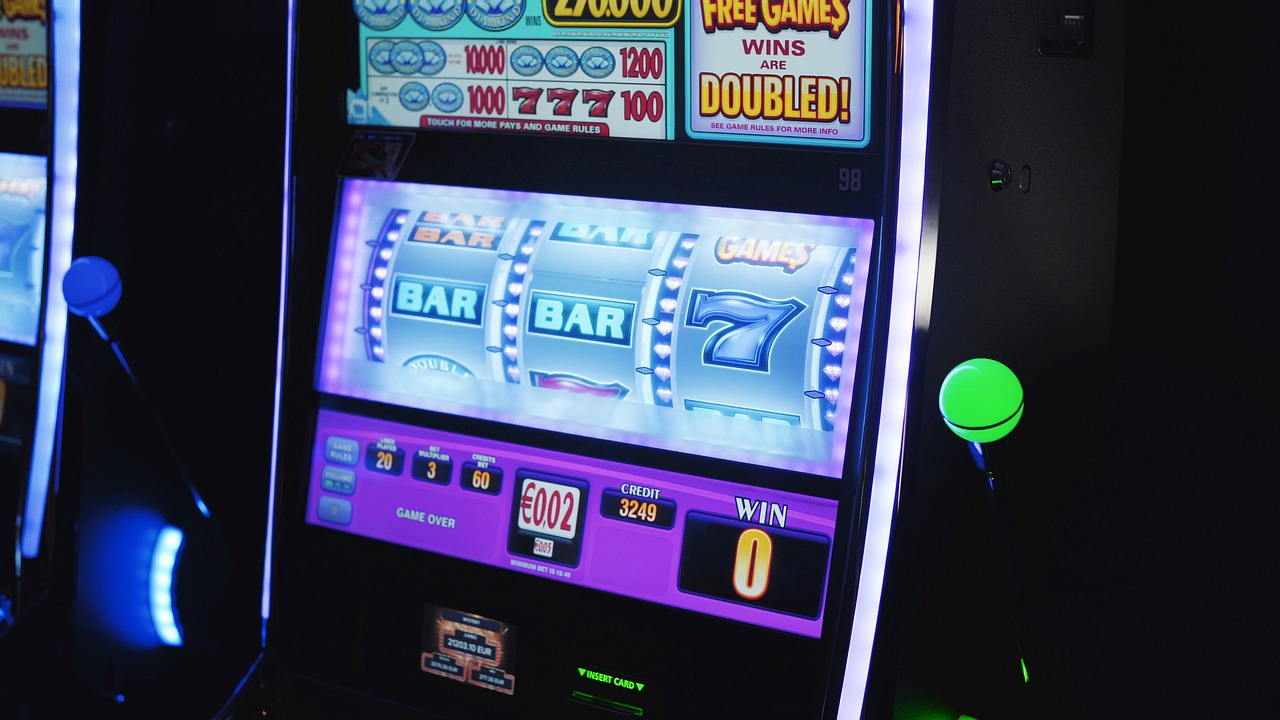
- Online slots: usually 2% to 8%, depending on the title and RTP
- Sports betting (standard -110 lines): about 4.5% to 5%
Here is how that plays out. If you cycle $10,000 through a game with a 1% edge, you expect to lose about $100 on average. Cycle the same money through a slot with a 5% edge and you expect to lose $500. Same bankroll, same evening, five times the cost. This single insight reshapes how smart players choose where to sit.
RTP, Volatility and Why Slot Choices Matter More Than You Think
Online slots publish an RTP — return to player — that tells you the long-run percentage paid back. A 96% RTP slot keeps 4% over millions of spins. A 92% RTP slot keeps 8%. Two slots side by side can be radically different long-term investments, and most casual players never check.
Equally important is volatility, sometimes called variance. Low-volatility slots pay small amounts frequently, smoothing the ride. High-volatility slots pay rarely but can produce massive wins. Neither is "better" — they simply demand different bankrolls and different temperaments.
A concrete tip: if you are playing a high-volatility slot like a Megaways title, you want at least 200 to 300 times your bet size in your balance to survive dry spells. If that feels uncomfortable, play a lower-volatility game instead. Stretching your bankroll too thin on a volatile game is one of the most common ways players bust out before a single bonus feature drops.
The Skills That Actually Compound Over Time
Most casino games are pure chance. A few reward skill in a real, measurable way. Knowing which is which separates thoughtful players from hopeful ones.
Blackjack
Basic strategy — a chart of mathematically correct plays for every hand combination — shrinks the house edge to around 0.5%. Deviating because "I had a feeling" pushes it right back up. Card counting can flip the edge in your favor, though online games with continuous shuffling machines neutralize most counting advantage. Use counting online only against live-dealer shoes that are properly shuffled.
Poker
Poker is the rare game where the house takes a rake rather than competing against you. That means your profit comes from other players' mistakes. Position, pot odds, and disciplined bet sizing matter far more than any lucky river card. This is the one game on the list where a serious student can genuinely build an edge over months and years. More background can be found at slot deposit 5000.
Sports Betting
Line shopping is free money. The same game might be priced -105 at one book and -115 at another. Consistently taking the best number adds percentage points of ROI over a season that almost no handicapping trick can match. Combine that with a staking plan — flat 1% to 2% of bankroll per bet — and you insulate yourself from brutal losing streaks.
Why Bankroll Management Beats Any Strategy
You can play perfectly and still lose a night. What you cannot survive is playing badly and letting your balance dictate your stakes. The disciplines below matter more than any system.
- Set a session budget before you log in. When it's gone, you stop. No topping up mid-session.
- Treat your bankroll as ammunition, not income. Losing the entire log is a real possibility on any given night.
- Size bets to survive variance. As a rule, bet no more than 1% to 2% of bankroll per wager on high-variance games.
- Use stop-losses and stop-wins. Quit when you've doubled, quit when you've lost your pre-set cap.
- Track everything. A simple spreadsheet of deposits, withdrawals, and sessions will tell you more truth than any gut feeling.
The single most common bankroll killer isn't a bad game — it's chasing. That moment after a big loss when you double your stake to "win it back" destroys more balances than any house edge ever will.
The Psychology the Operators Know and You Should Too
Casinos are engineered around human psychology, online ones especially. Near-misses, spinning reels that show "almost" a jackpot, bonus rounds triggered just as you consider stopping, flashing lights and celebratory sound design — these are crafted features, not accidents. Knowing that changes how you react to them.
Practical defenses: mute the sound, play in a neutral environment with no alcohol, and set a timer for sessions. Avoid the slot machine equivalent of doom-scrolling — auto-play and Turbo modes that let you shrug through hundreds of spins in minutes with no engagement. Playing slowly and deliberately is one of the underrated habits of every genuinely profitable player.
Also, understand the difference between a bonus and a trap. Welcome offers with wagering requirements of 40x the bonus amount are extremely difficult to clear profitably. Before accepting any promotion, calculate what you actually have to wager before a withdrawal is possible. Often the answer is "a lot more than it's worth."
The Bottom Line
Nobody beats the house edge over millions of hands. But within a single evening, a single week, even a single season, the player who chooses lower-edge games, respects variance, manages bankroll intelligently, and plays with a clear head walks away ahead far more often than the casual gambler. Success in iGaming is not about finding the secret trick — it's about systematically removing the ways you lose. Get those out of the way, choose your games like a mathematician, and you stop being the fish.