Every gambler remembers the night they walked away up. Fewer remember the twenty nights that paid for it. That asymmetry is not bad luck — it is the entire architecture of the industry, and understanding it is the difference between entertainment and slow financial bleeding. Whether you are spinning slots, grinding poker tables, or tailing a tipster on a Saturday afternoon, the math does not care how you feel about it.
The House Edge Is Not a Detail, It's the Whole Game
Strip away the neon and the free drinks, and every casino product is a probability distribution with a payment attached. The house edge is simply the percentage of each bet the operator expects to keep over the long run. It sounds small. It compounds like a mortgage.
Consider the numbers people actually play: This is explained well on L'Avenue Dubai.
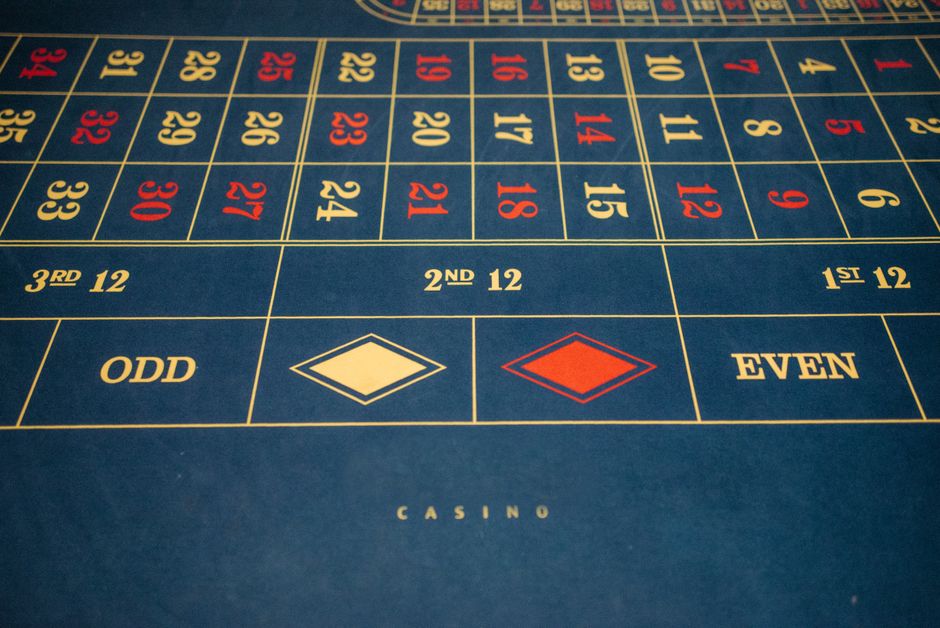
- European roulette: 2.7% house edge (one zero). American roulette doubles the zeros and jumps to 5.26%.
- Blackjack with basic strategy: roughly 0.5% — the best bet on most casino floors, and the reason card counters exist.
- Slots: typically 2% to 10% depending on jurisdiction and volatility. A 6% RTP edge means a $1,000 session loses $60 in expectation, not in guarantee.
- Video poker (Jacks or Better, perfect play): about 0.46%. Miss one hold decision per session and you can double that.
- Poker cash games: the only mainstream game where you play against other humans, not the house. The rake is the edge, and it is small enough to beat.
The takeaway is not "never play." It is that choosing what you play matters more than choosing when or how much. A player who spends their bankroll on 5.26% roulette is paying ten times the entertainment tax of a blackjack player following a chart.
Slots: Volatility Is the Feature People Misread
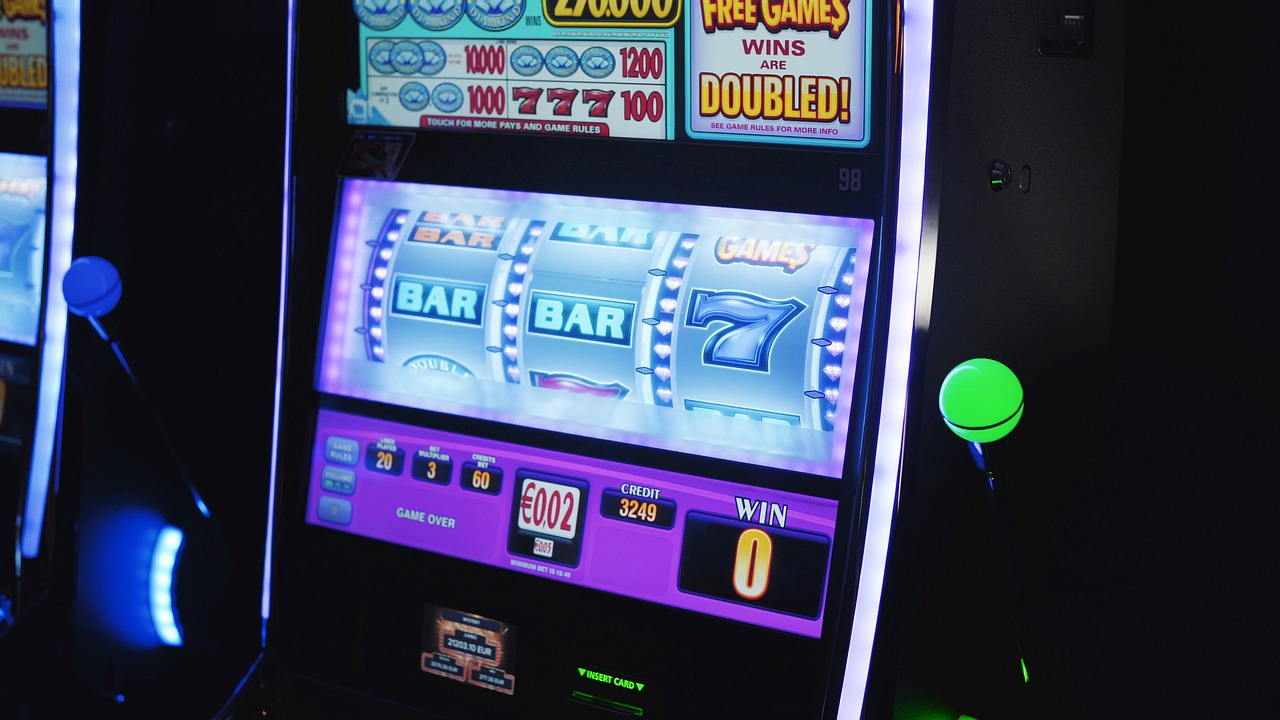
Slot players talk about "hot" and "cold" machines as if the reels remember. They do not. Modern slots are RNG-driven, and every spin is independent. What actually varies is volatility — the variance profile of the payout distribution.
A low-volatility slot like Starburst or Blood Suckers pays small amounts frequently. Your balance drifts down slowly, and a 200-spin session at $0.50 feels gentle. A high-volatility game like Bonanza, Money Train, or any Megaways title may pay nothing for 300 spins and then hit a 2,000x bonus. Both have a similar RTP. The experience is completely different.
Practical implications:
- Match volatility to your bankroll size. If you have $100 for the evening, high-volatility slots will likely bust you before a bonus lands. Pick low or medium volatility.
- Check RTP before you spin. Reputable casinos publish it. A 94% RTP versus a 96% RTP is a 50% difference in expected loss over a long session.
- Ignore "loose machine" folklore. Casinos cannot legally rig individual machines against you in regulated markets, and they do not need to. The edge is already built in.
Poker Is the Last Honest Game in the Building
Here is the uncomfortable truth most casino content avoids: poker is the only game where a skilled player has a genuine long-term edge over the average opponent. The house takes a rake — typically 5% capped at $5 or so — but if you are better than the table, the rake is a tax on profit, not a guarantee of loss.
But the word "skilled" is doing heavy lifting. Poker skill is not bluffing well. It is:
- Position awareness. The button is the most profitable seat at the table for a reason.
- Bankroll management. A winning player with 20 buy-ins for a limit is a winning player. The same player with 4 buy-ins is a gambler.
- Opponent modeling. At low stakes, the correct strategy is to bluff less, value bet more thinly, and let other people donate.
- Folding discipline. The biggest leak at $1/$2 live tables is calling too much. It is not close.
If you are not willing to study, track results, and lose for months while learning, poker is a losing proposition for you too. The seat does not make the player.
Bankroll Rules That Actually Survive Contact With Reality
Generic advice says "only gamble what you can afford to lose." Nobody knows what that means on a Friday night. Use a framework instead.
- Separate your gambling bankroll from all other money. A dedicated account or wallet, funded once per month. When it's gone, the month is over.
- Unit sizing matters. In poker, 1-2% of your bankroll per buy-in. In slots, total per-session spend should be 1-2% of your bankroll if you play regularly. Yes, that is conservative. That is the point.
- Set a loss limit and a win limit. The first protects you. The second protects your profit from the post-win euphoria that evaporates it.
- Never chase. This is the single behavior that separates sustainable players from people who reload at 3 a.m.
Betting Markets Are Not the Same as Casino Games
Sports betting sits in a different category. The bookmaker margin on a two-way NFL market is typically 4-5%. Pinnacle historically ran 2-3% and built a business on volume. Sharp bettors understand that closing lines are the most accurate predictor of true probability, and value exists when you consistently get better odds than the closing number.
But recreational bettors betting into boosted odds and parlay specials are usually playing a 10-15% margin product disguised as generosity. A three-leg parlay at "enhanced" odds still carries a bookmaker margin stacking with every leg. Fun, yes. Beatable, rarely.
What the Industry Does Not Advertise
Casinos advertise wins. Statistically, someone always wins — that is what variance looks like across millions of players. What they do not advertise is that the aggregate results are the house edge expressing itself with brutal consistency over time.
The most useful mental shift you can make is to stop treating gambling as a way to make money and start treating it as a paid entertainment product with a predictable cost. If a slot session costs you $80 for three hours of genuinely fun engagement, that is cheaper than a night at a bar. If it costs you your rent because you were chasing a bonus, the product was never the problem.
Play games with good math. Track real numbers. Treat the bankroll as a fixed expense. Do that, and you will outlast 90% of the people next to you — not because you beat the house, but because you finally understood what it was actually selling you.